Jumpsuits
Jumpsuits That Fit: How to Choose Rise, Leg Width and Fabric
A jumpsuit must fit through the joined bodice and trouser section. Check torso length, intended waist placement, rise and leg length, then sit and reach to test movement. A belt changes the look but cannot add missing torso length.
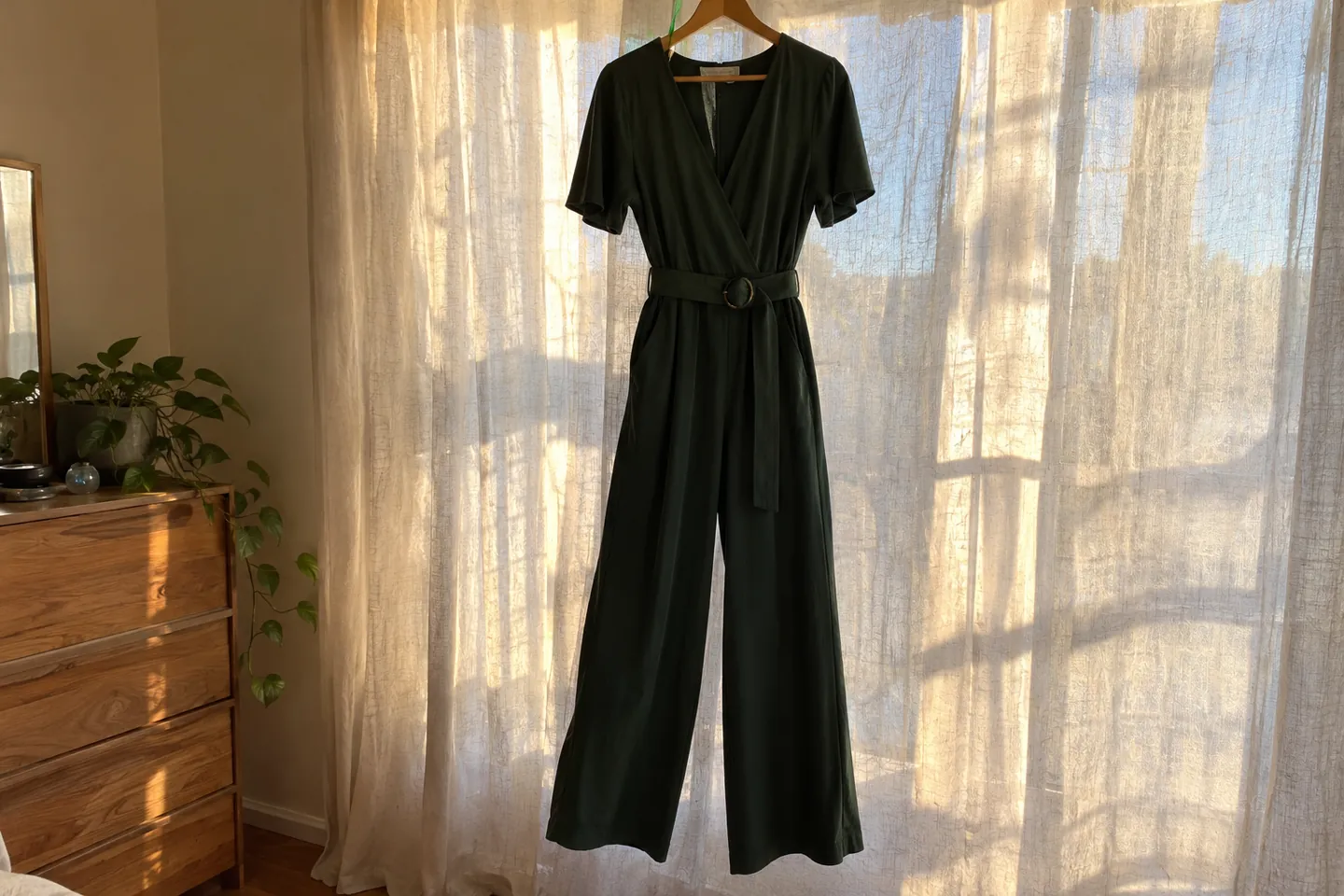
A jumpsuit is a single decision that has to be right in three places: where the top of the trouser sits, how the leg falls, and how the fabric moves when you walk. Most jumpsuits that disappoint are not the wrong colour or the wrong style. They have the wrong rise, so the proportions are off before anyone notices the details.
Seamwork’s Campbell jumpsuit course overview treats torso and leg fit as part of constructing one garment. Use that distinction when assessing a ready-made jumpsuit; a trouser size alone cannot describe its joined upper and lower sections.
Check torso length and rise together
Trouser rise describes the distance from the crotch seam toward the waist. A jumpsuit also joins that lower section to a bodice, so torso length, shoulder position and the intended waist placement all affect the fit. A belt can change the visual waist; it cannot add missing length between shoulder and crotch.
Try the complete garment over the underwear you will use. Sit, reach forward and lift your arms comfortably. Check for pulling at the crotch, a neckline dragged downward or a waist seam that moves and does not settle back. These signs need a fitting assessment; they do not establish a single rise number or a body-shape rule.
Compare the style’s own measurements and ask a tailor about the actual seam allowance before relying on an alteration. Deliberately dropped or relaxed cuts can have more fabric at the seat without being the wrong size. Judge them by their intended shape and by movement.
Choose the leg for your proportions
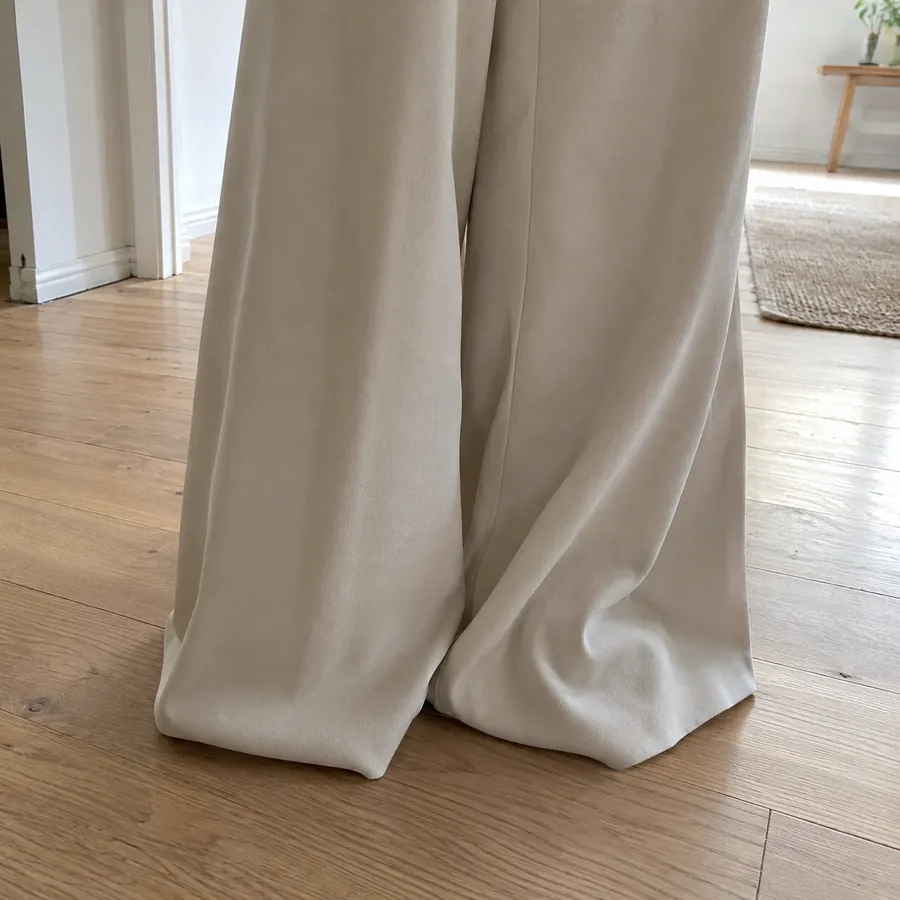
The leg shape changes how the jumpsuit balances your hips and upper body. There is no single correct leg; there is a leg that works with your shape and what you want to show. The guidance below is a starting point, and the fit checker shows a suggestion based on your answers.
- Straight legs are the most forgiving. They keep the line clean and suit most body shapes, especially when the fabric is structured.
- Wide legs add length and make the body look taller. They need a defined waist, either through a belt, a seamed bodice or a fitted waistband, so the top half does not look lost.
- Tapered or cuffed legs give a relaxed, modern look and suit a shorter or fuller figure. They work best with flat shoes or a low heel, because the taper shows the ankle.
- Flared legs suit evening wear and fuller fabrics such as crepe or satin. They look dramatic and should be kept to one statement piece in an outfit.
Jumpsuit fit checker
Choose your height and the area you want to balance. The checker suggests a visual starting point. It does not measure torso length, rise or fit.
Fabric: drape matters more than weight
A jumpsuit lives in its fabric. The trouser leg is a large surface, so the way it falls under gravity is what most people see. A crepe or a fine twill falls straight and keeps its line for a full day. A lightweight viscose drapes softly but can cling at the hip if it is unlined. A heavier linen holds its shape but creases quickly, which can look relaxed or untidy depending on the event.
| Fabric | Drape | Best for | Watch for |
|---|---|---|---|
| Crepe | Smooth, falls straight | Work, dinner, evenings | Warm in summer; can show lint |
| Viscose | Soft, flows | Summer days, relaxed events | Clings at hip if unlined; creases |
| Linen | Crisp, holds shape | Warm weather, daytime | Creases; can look rumpled |
| Twill | Structured, neat | Office, autumn, travel | Stiffer; less fluid at the leg |
Hold the fabric at the hip and let it fall. If it bunches, twists or shows the outline of your underwear, the fabric is too light or the cut is too close at the seat. A lining solves many of these problems, and a jumpsuit with a lining at the seat and thigh tends to hold its shape longer.
Wearing a jumpsuit without a shape
Because a jumpsuit is one piece, it has no separate top to tuck or layer. Two small choices change its character. A belt adds a waist, and the belt can be fabric or leather depending on the event. A jacket or cardigan extends the line of the top and adds a second texture. A blazer over a wide-leg jumpsuit reads as tailored; an open knit cardigan reads as relaxed.
Shoes change the proportions of the leg. A heel lengthens the line and suits wide and flared legs. A flat sandal or a loafer suits straight and tapered legs for daytime. For a full-length jumpsuit at an event, a low block heel is the safest choice because it does not catch the hem and keeps you steady on uneven ground.
Wash and store the jumpsuit well
Jumpsuits are awkward to wash and awkward to fold. Turn the jumpsuit inside out before washing, use a gentle cycle, and hang it by the shoulders rather than the belt loops or the crotch. Store it on a hanger with a wide shoulder so the weight of the legs does not stretch the waist. If the fabric creases, hang it in a steamy bathroom for ten minutes rather than ironing directly over a belt or a zip.
Frequently asked questions
How do I know if a jumpsuit rise is right?
Sit down in the fitting room. If the crotch seam pulls tight or the waistband slips below your natural waist, the rise is wrong for you. A correct rise sits at the natural waist and stays put when you move.
Can a jumpsuit be altered?
The legs can usually be shortened or narrowed by a tailor. The rise is harder to change, so check it before you buy.
Is a wide-leg jumpsuit suitable for shorter women?
Yes, if the waist is defined and the shoes add height. Choose a mid rise and a heel, or a cropped leg that ends above the ankle.
What is the best jumpsuit for work?
A straight or slightly wide leg in crepe or twill, with a mid rise and a neat neckline. Add a blazer and loafers for meetings.
Fabric care follows general garment-care guidance. Check each care label before washing, and use a garment bag for silk and sequin pieces.
A dress-length measurement cannot size a jumpsuit
Hollow to hem helps locate the front hem of a dress. It does not tell you whether a jumpsuit has enough torso length, the right crotch depth or a suitable inseam. Read the jumpsuit’s measuring instructions separately and record the requested values with their units.
The style picker offers an outfit starting point, not a measurement of your body or a fit guarantee. Before paying, compare the exact garment’s chart, check the fastening and try the movement test. A wide leg or a higher-looking waist cannot compensate for a bodice that pulls when you sit.
Does the fastening still work during normal movement?
A jumpsuit's closure and torso fit need to be checked together. Before buying or altering one, assess whether you can sit and move comfortably with the fastening working as intended. Pulling hard on a zip is not a way to establish that the rise or bodice length is suitable. A closure under strain can also obscure a separate snag or condition problem.
| Check | What it establishes |
|---|---|
| Relaxed fastening | Whether the mechanism moves without garment tension |
| Comfort when seated | How the whole garment accommodates movement |
| Visible seam and tape condition | Whether a repair question remains before purchase |
Use the guide to fabric caught in a garment zipper if a lining edge enters the slider. Its observation aids do not calculate torso length or an alteration. For an unfamiliar secondhand item, ask the seller for clear closure photographs and return terms rather than inferring condition from the size label.
Inspect the inner opening before judging a jumpsuit closure
A lined jumpsuit may have internal edges attached beside its zipper as part of its construction. When assessing one you own or are considering, separate the inner finish from the working closure and from the question of fit through the torso. Keep a neatly attached edge intact instead of pulling it away to test whether it is supposed to separate. If the slider catches material, stop forcing it and identify the exact point rather than assuming every nearby stitch is responsible. Try an unfamiliar garment under its actual fitting and return conditions. Comfortable sitting and ordinary movement are a separate outfit check; a closure that operates while the garment is supported does not establish that the whole jumpsuit fits.
| Record | Separate question |
|---|---|
| Inner edge and attachment point | Closure operation |
| Actual garment and intended use | Fit or length measurement |
The lining and zipper guide distinguishes an intentional tape attachment from material caught in the slider.
Isolate the upper opening from the torso length
When a jumpsuit pulls during sitting, inspect the whole torso before deciding the armhole needs to be made deeper. Stand, sit and reach in sequence, then note which landmark moves first: shoulder, waist seam or crotch. A garment that feels comfortable while standing can have insufficient torso room for the seated position. Enlarging the upper opening will not necessarily supply the missing length.
Keep the neckline settled without holding it in place and use the intended underlayer for every trial. Record an upper edge that stands away separately from a seam that digs in. Ask the alteration specialist which change would address the observed movement and what it would do to coverage. The armhole observation table supplies useful vocabulary for the upper bodice, although a jumpsuit also needs its own torso-length assessment. Do not use the size label as a substitute for that combined trial.
Keep reading
 Daywear
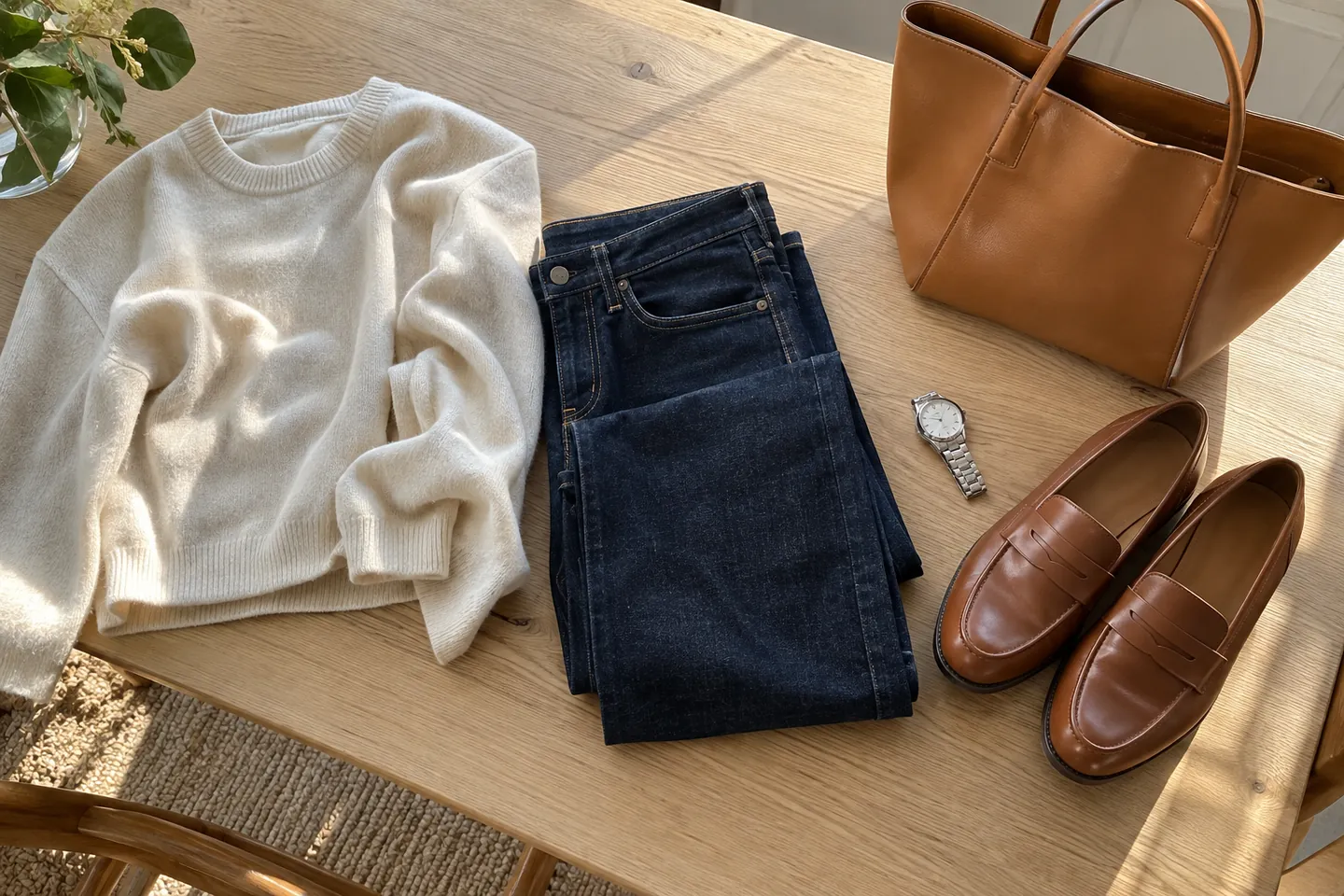
 Capsule: Nine Pieces That Work From Desk to Dinner
Build a daywear capsule of nine pieces that mix into dozens of outfits. Includes a capsule checklist that counts your possible outfits.
 Tops
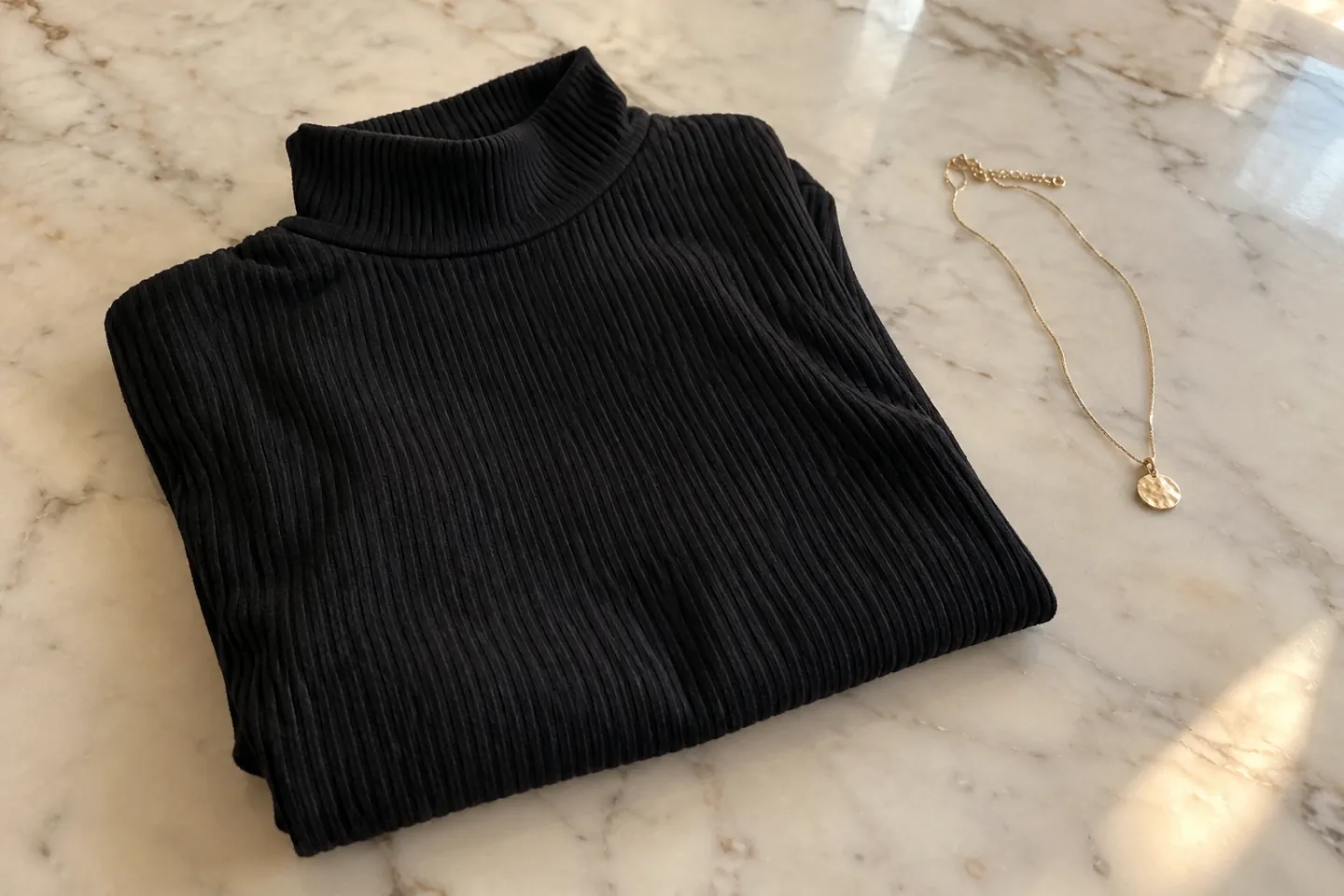
Black Choker Top: Six Ways to Wear It Well
Six ways to wear a black choker top, from office to evening, with a picker that suggests bottoms, layers and jewellery for your occasion.
 Guides
How to Measure Yourself for Dresses and Jumpsuits
Measure bust, waist, hip and length correctly, then use the size calculator to find the size range to start with for dresses and jumpsuits.